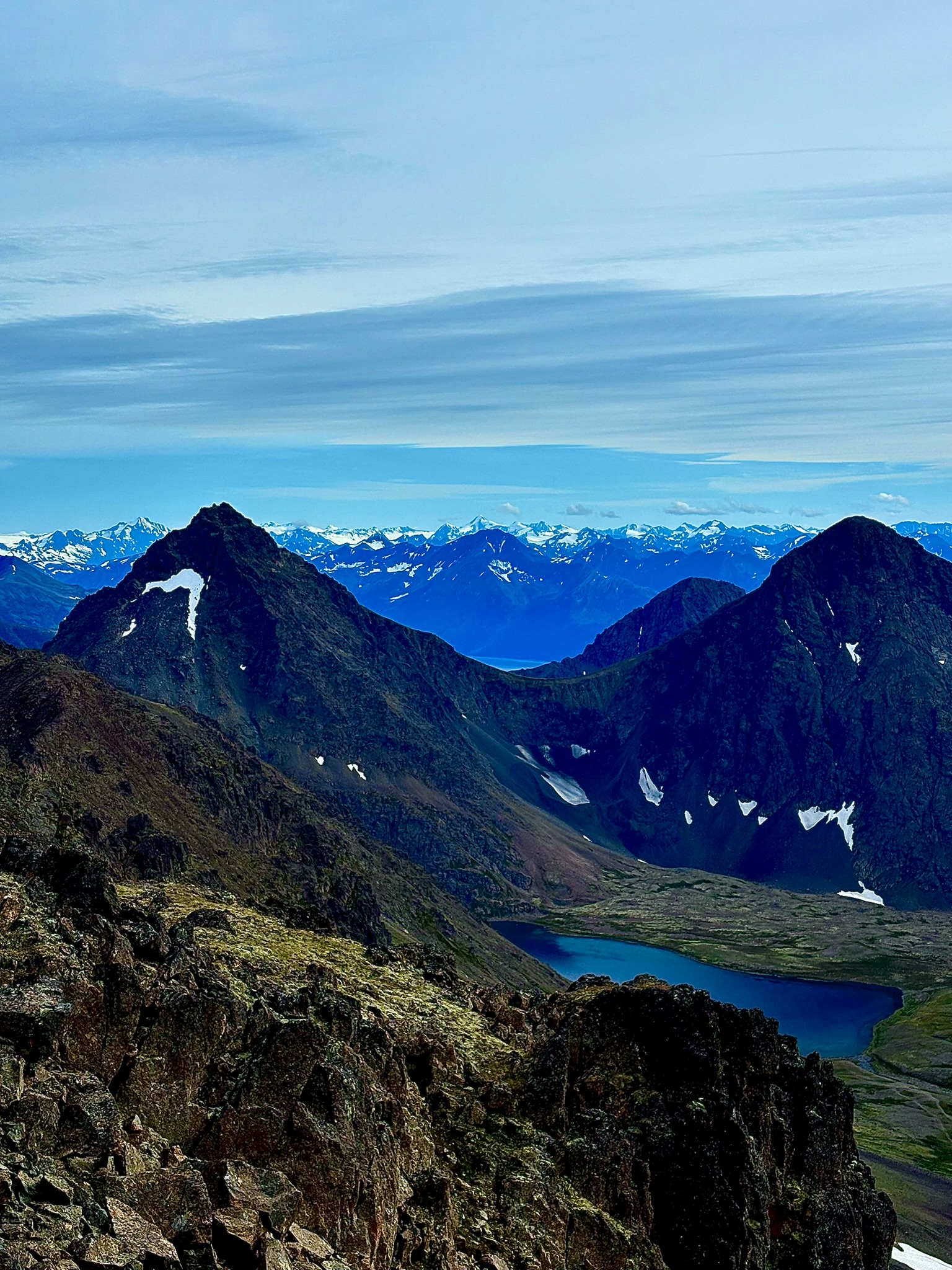
Montana Tech graduate helps restore contaminated waters in remote Alaska
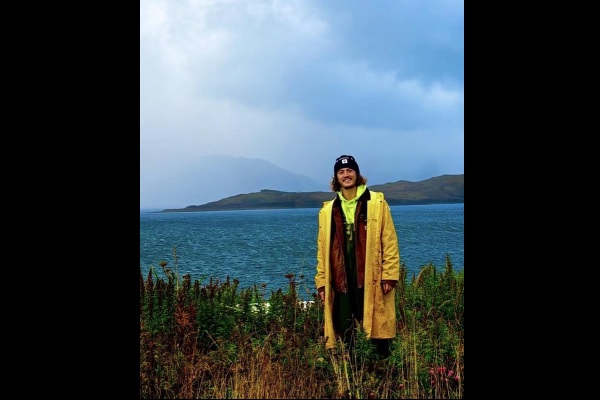
Kaleb Starr stands out on the coast. All photos courtesy of Kaleb Starr
When Kaleb Starr (Biological Sciences, ’24) was a student at Montana Technological University, he was focused on the pre-med track. The native of Avon took an EMT course, the MCAT medical school admission entrance exam and worked on the local ambulance in Butte, but two years after graduation Starr’s story has taken a completely different turn, showcasing the diversity of careers biologists can pursue as he helps improve the health of people, wildlife and the environment through a restoration project in remote Dutch Harbor, Alaska.
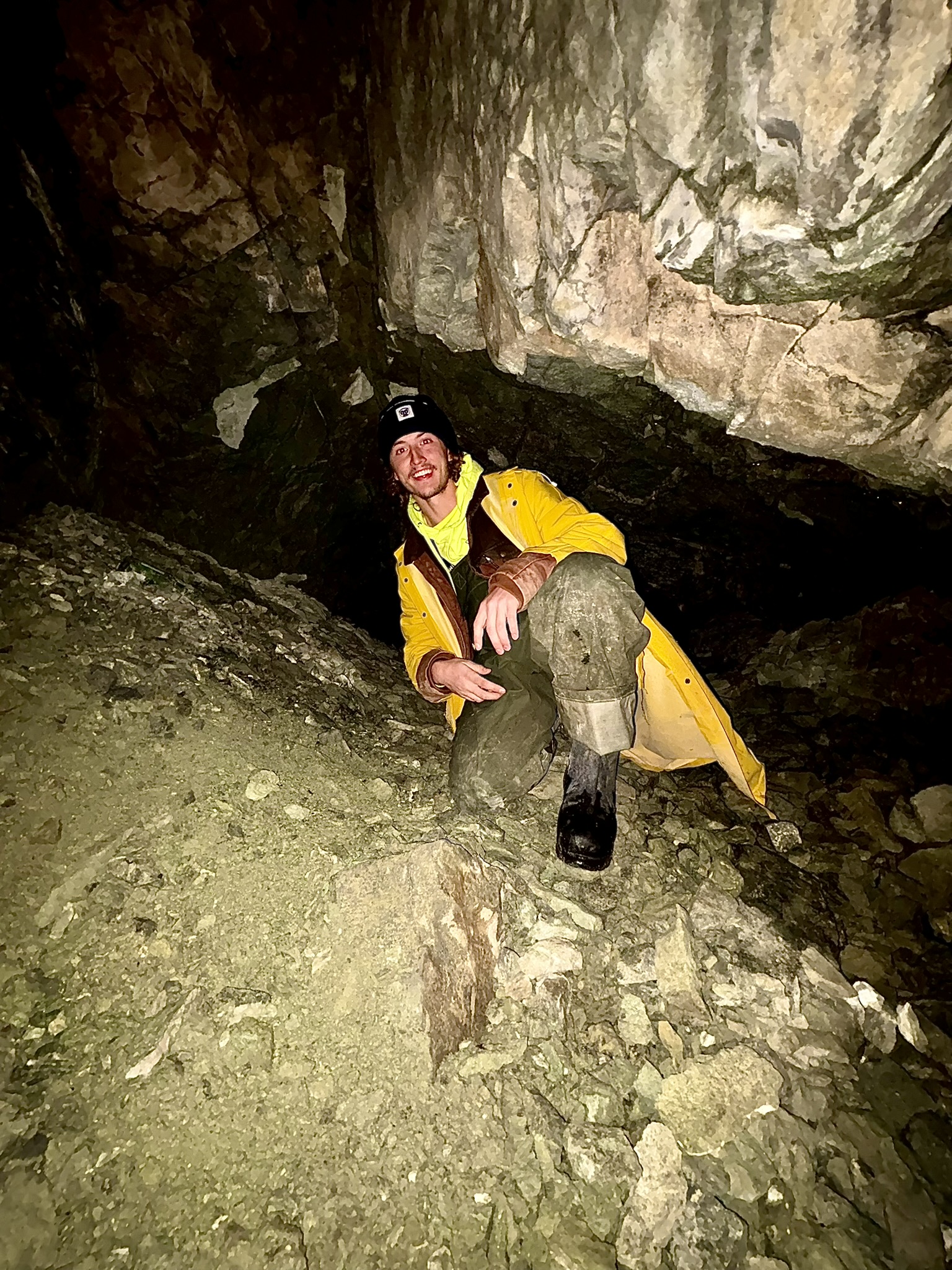
Looking for hydrocarbons in a coastal cave
“This project is the kind of stuff you might read about in National Geographic as a student, but the need for biologists to do this kind of work really exists,” Starr said. “I never thought I would be doing something like this.”
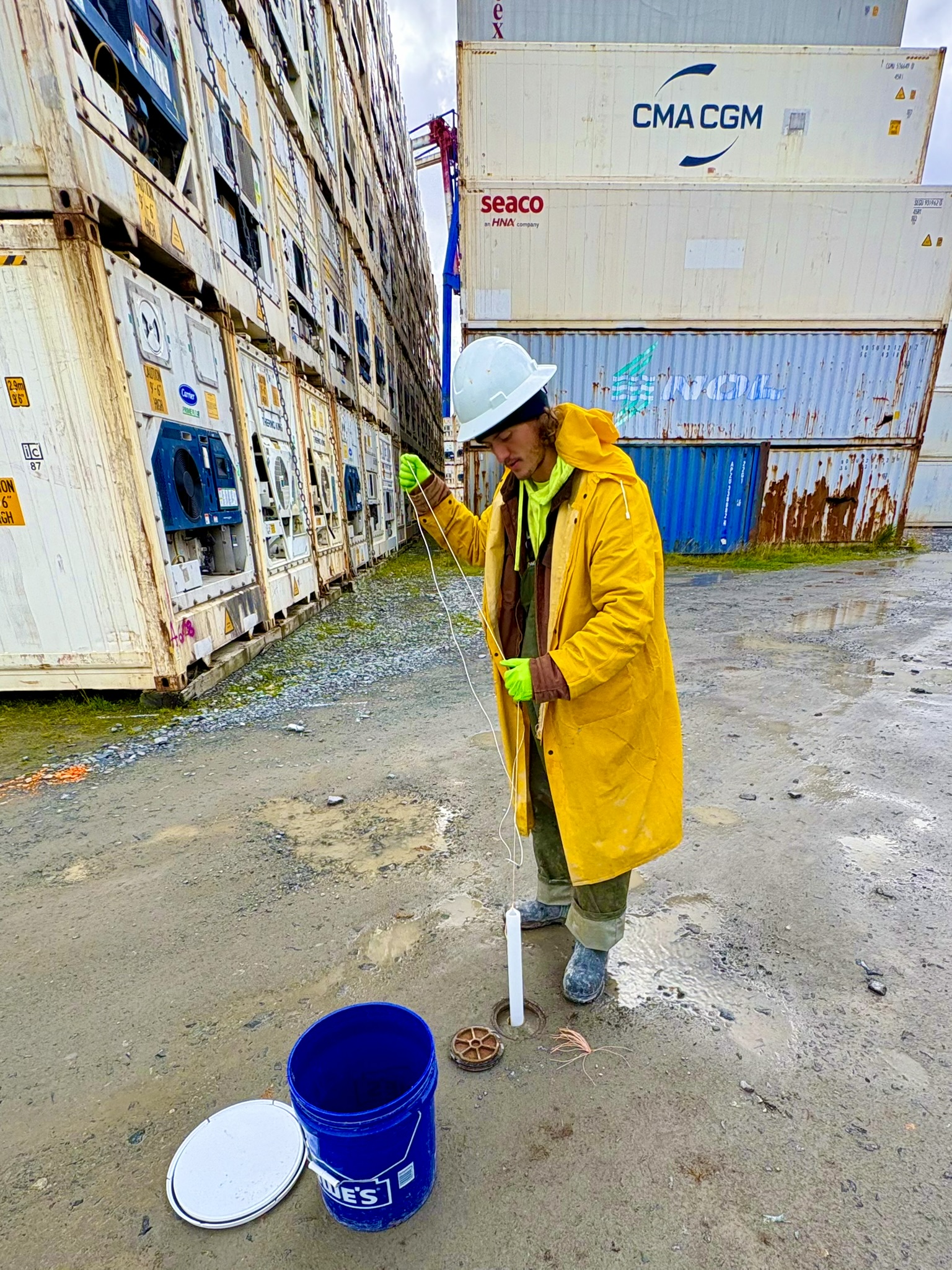
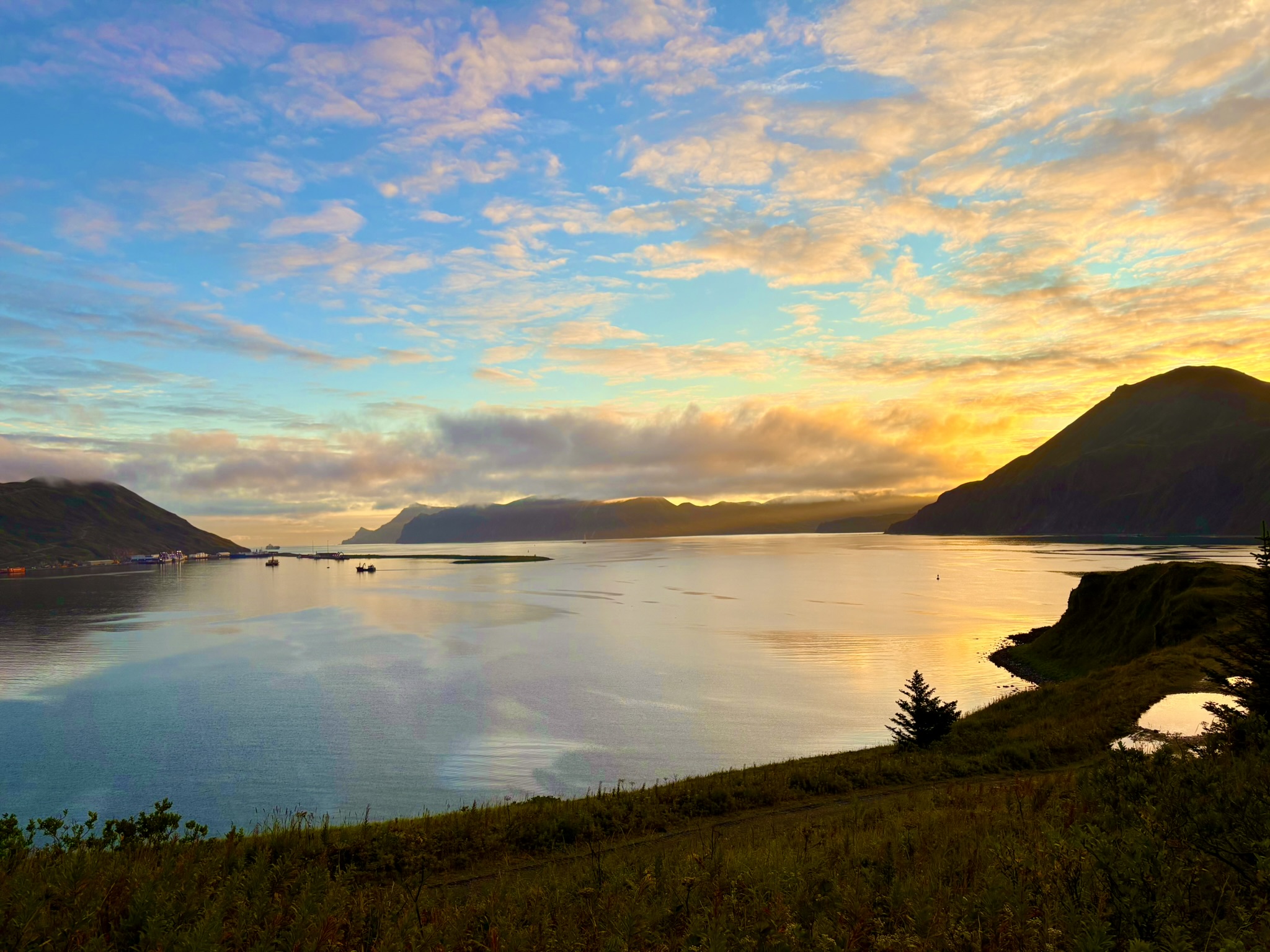
Starr works for Water & Environmental Technologies in Butte. The company was recently contracted to help Ounalashka Corporation, an Alaska Native Village Corporation, clean up Dutch Harbor. The harbor was contaminated in June 1942, when the Japanese attacked U.S. forces there. The base was home to a refueling station, and the strategic decision was made to dump over a million gallons of fuel into Dutch Harbor and the surrounding area so it would not fall into Japanese control. The thousands of soldiers stationed there eventually went home, the war ended, and the base was decommissioned in 1947. Today only a few hundred residents call the island home year-round, though the population grows significantly during the crabbing season. The island is the operations base for the Bering Sea crab fleet featured in the popular show, Deadliest Catch. For those who remain, including the native Aleut people, the contamination left behind 84 years ago is a huge issue. After years without movement, progress is being made on cleaning up the contaminated bay.
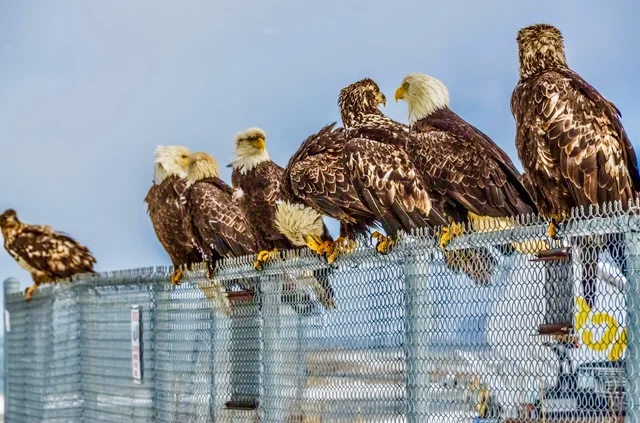
Bald eagles on a fence at Dutch Harbor
“It is pretty well saturated with hydrocarbons in the soil and groundwater, and where it is most important for restoration consideration is that it is moving between the groundwater interface and the tidal areas,” Starr said. “In those tidal areas are a number of threatened and endangered species. Steller sea lion is maybe the most recognizable one, but it’s also home to whales, sea otters, and a variety of invertebrate species.”
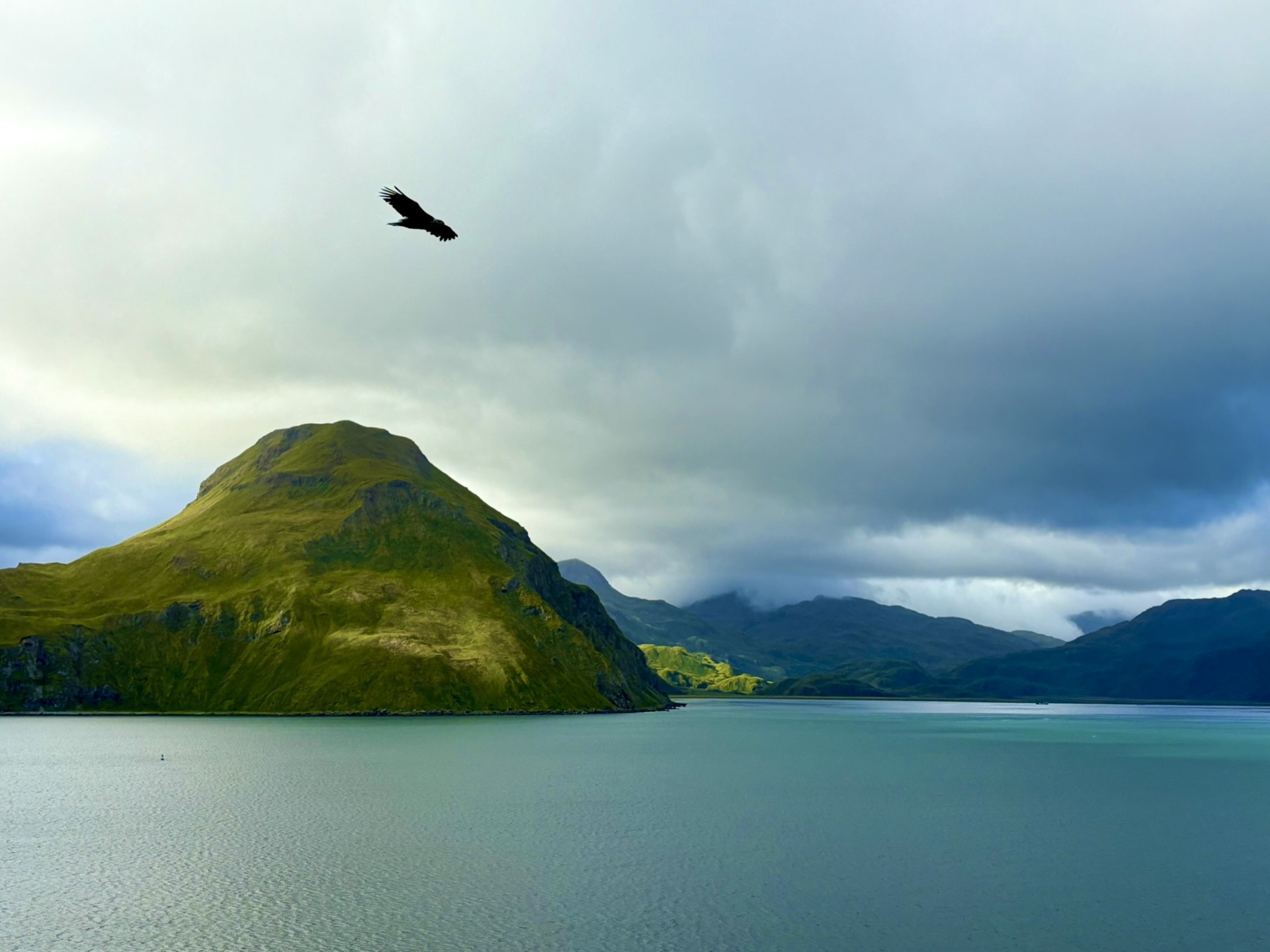
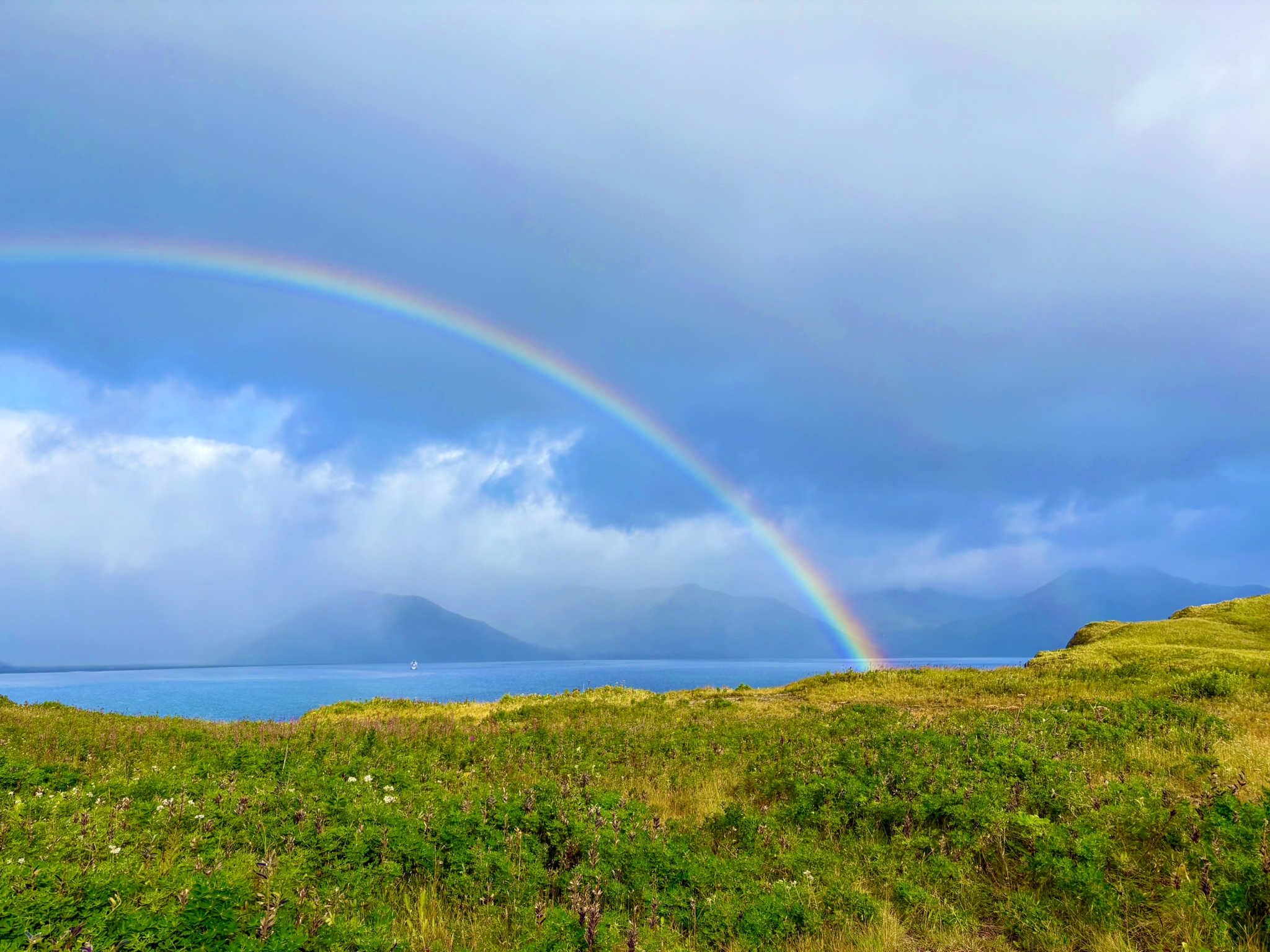
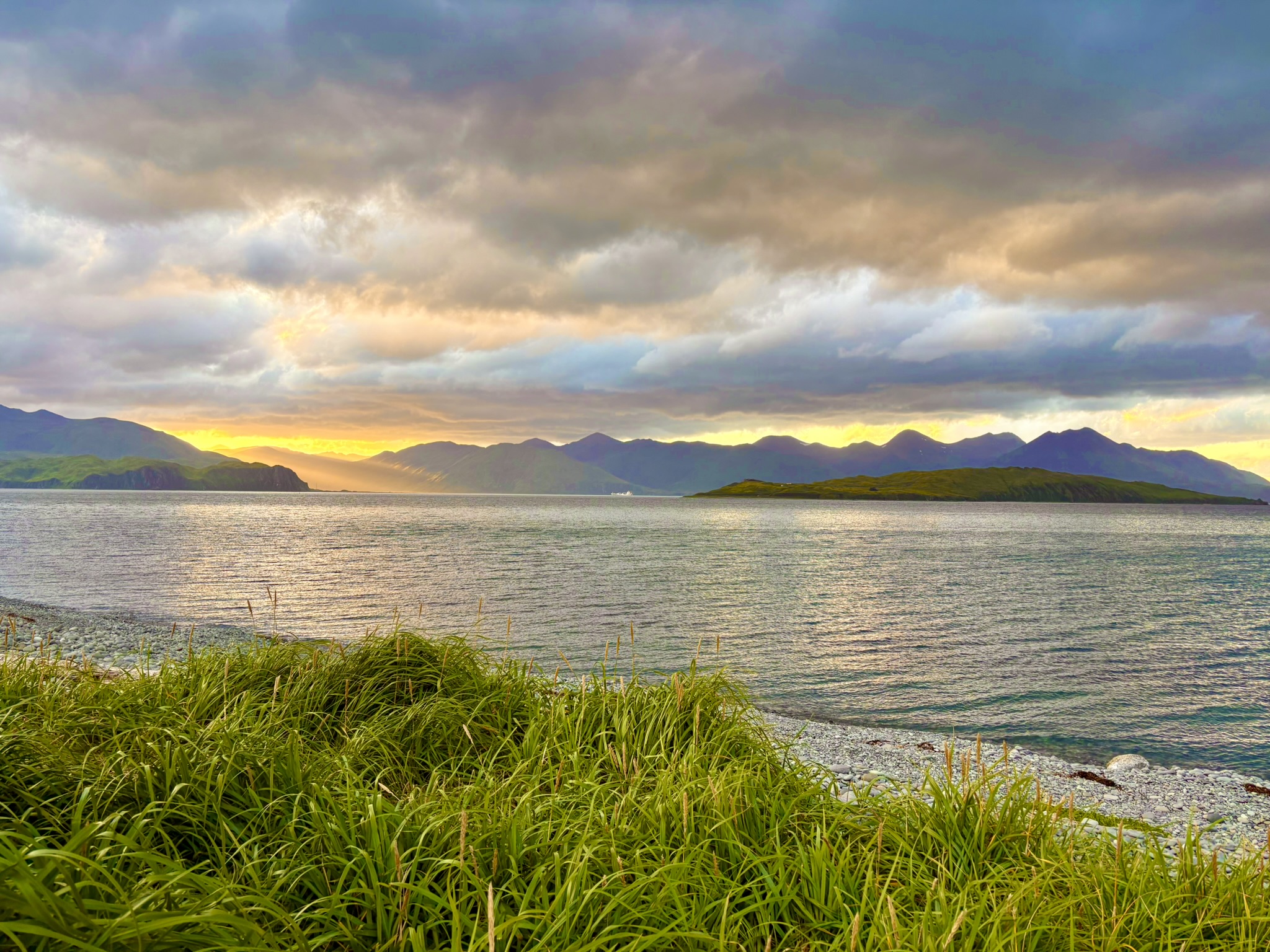
Overlooking Unalaska Island; Eagle flying overhead.
Tribal members have hunting and fishing rights for species they’ve relied on historically that commercial fisherman cannot pursue.
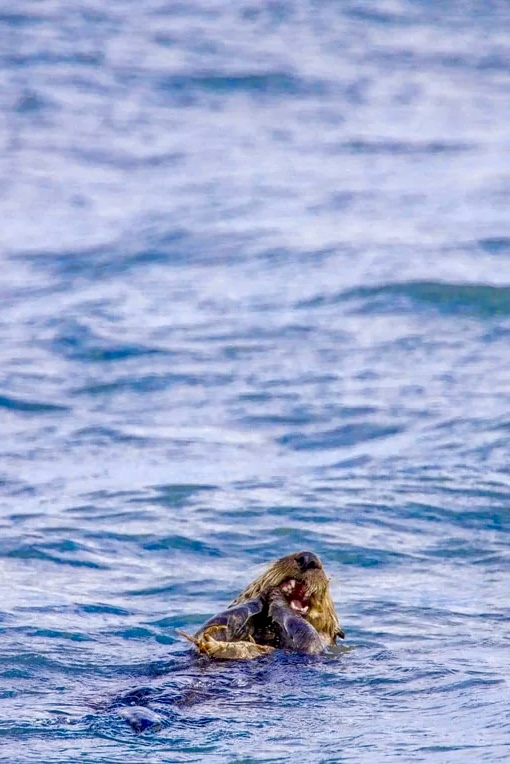
Sea Otter enjoying some crab dinner
“There was a series of people that were beginning to get sick from consuming these scallops that the tribe has historically been able to harvest, and it’s been a big part of their traditional ancestral diet,” Starr said. “Scallops being filter feeders are sequestering a lot of these chemicals—these hydrocarbons that are certainly toxic to the species in the bay, but are also toxic to the tribe who consume them. They accumulate the lead and mercury and the variety of other heavy metals that are in the hydrocarbon contamination.”
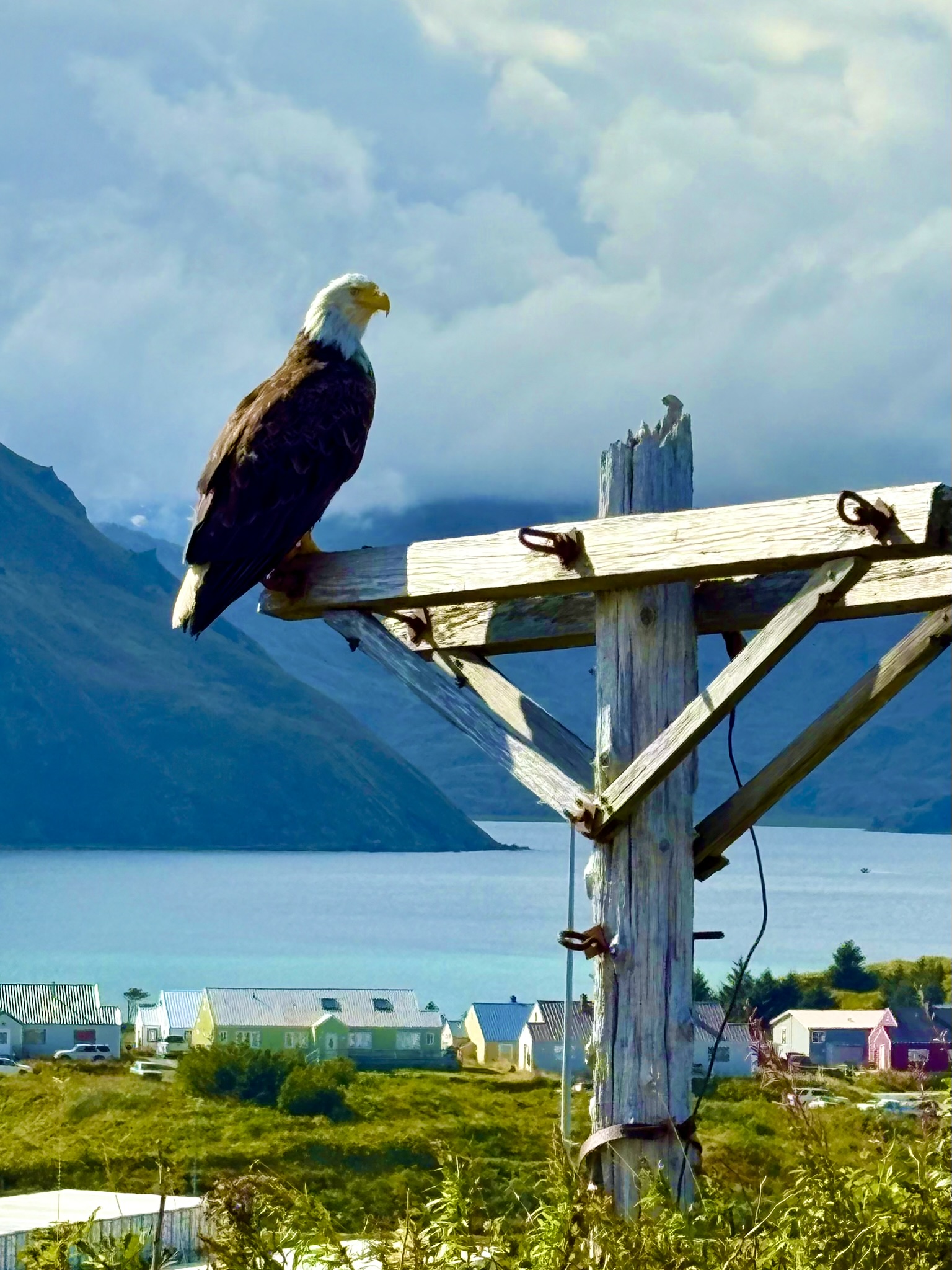
Bald eagle overlooking Dutch Harbor’s northern bay
For his portion of the work Starr stayed in a dry cabin on Dutch Harbor in August and September. In this stage Starr was working with other scientists, trying to delineate the extent of the contamination. In a typical restoration project, contaminated soil would be scooped out and replaced with clean fill in its place, but shipping costs to Dutch island run about $1 million per ton, making that method extremely cost prohibitive. Water & Environmental Technologies has had success at sites in Montana using hydrogen peroxide to successfully break down hydrocarbon contamination, and that is one method the company is considering to complete the Dutch Harbor clean up.
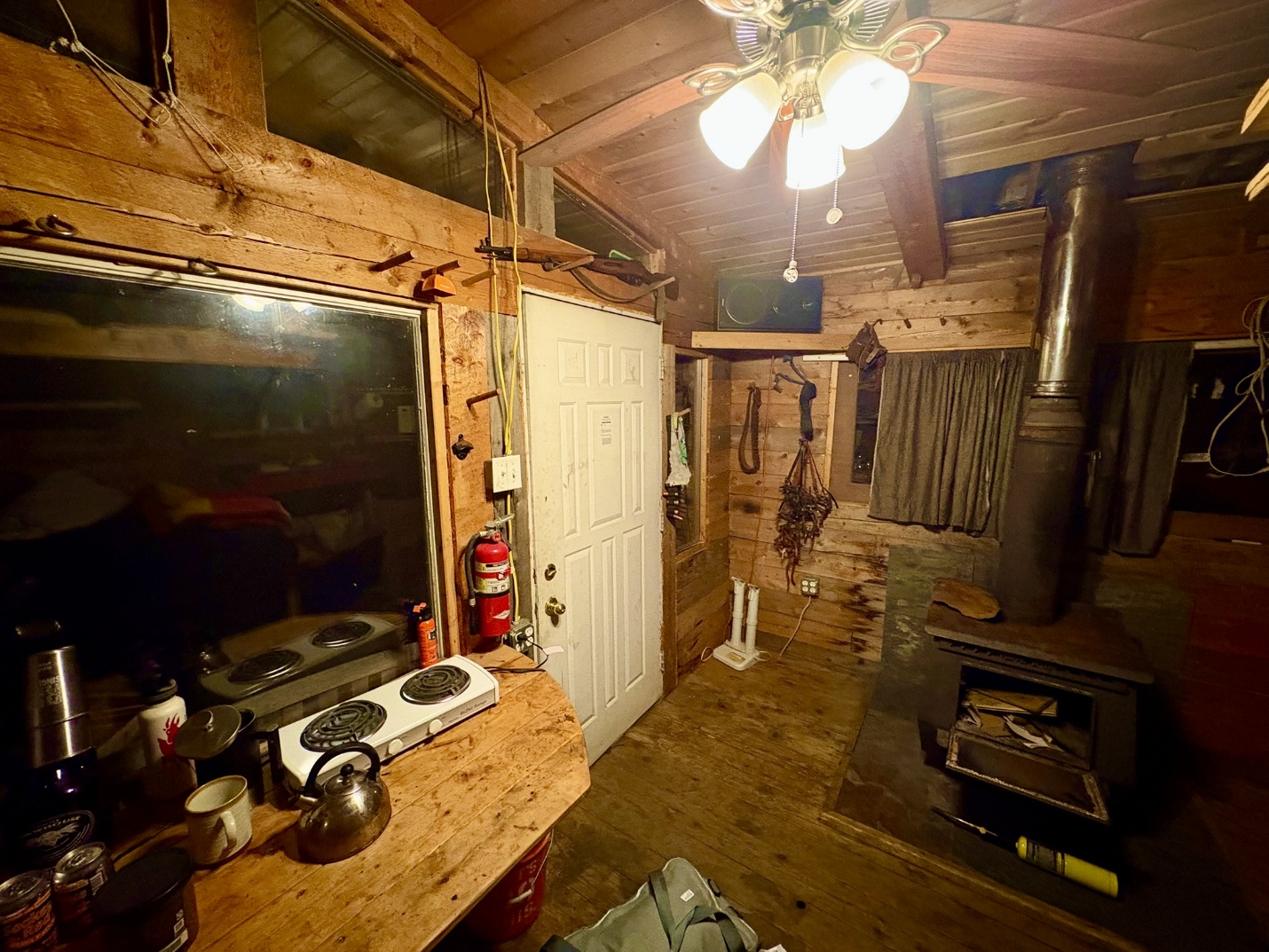
The dry cabin Kaleb stayed in
The Environmental Protection Agency is reviewing the delineation data for cleanup. As Starr awaits the design and implementation phase, he’s onto other projects that Water & Environmental Technologies has lined up for him.
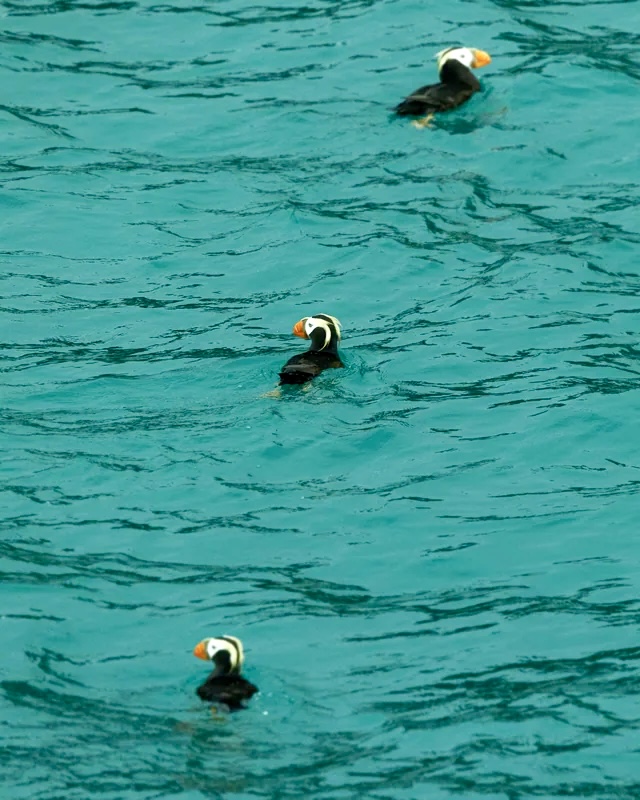
Tufted Puffins in the bay
Starr says biology and zoology courses he took at Montana Tech, led by Dr. Stella Capoccia, helped build the strong foundation that prepared him for wherever his career takes him next.
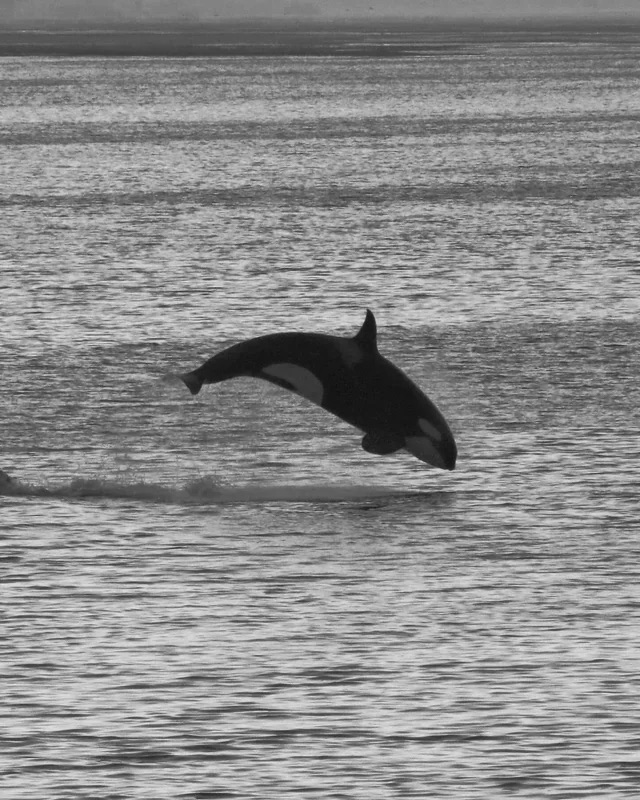
Orca not far from the coast
“Coming out of biology, I thought a lot more of my job would involve the birds and bunnies—the bird watching and that kind of stuff,” Starr said. “What is really interesting about restoration is that your marketability as a scientist extends far beyond a specific area of expertise. Once you’ve developed that strong baseline that I feel Montana Tech provided, you really can go anywhere with it. Every project is a new opportunity to learn an entirely new set of skills and familiarize yourself with really niche aspects of science.”